Strategic Objectives
The Youth Alive Uganda Strategic Plan 2021–2025 focuses on four Key Result Areas.
Dignified and Gainful Employment
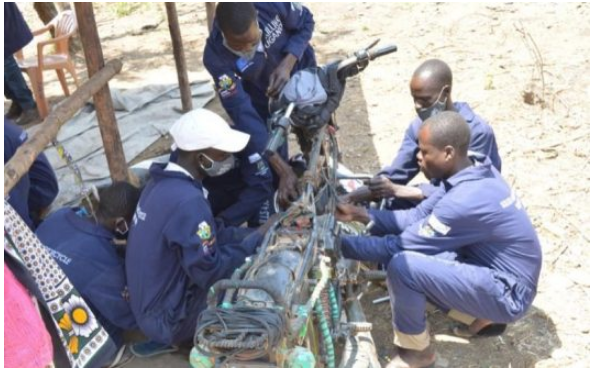
Youth Alive Uganda, in partnership with its development partners, aims at increasing dignified and gainful employment opportunities for out-of-school youth aged 18–24 in both formal and informal employment. We build youth capacity in vocational skills, work readiness and employability, and facilitate linkages to profitable markets, market infrastructure, youth-friendly financial services, and enterprise development support — enhanced with our Education for Life (EFL) and foundational skills sessions.
Our key innovation is the creation of mobile vocational skilling centers, targeting hard-to-reach, illiterate youth. A labour survey identifies skills gaps; youth are mobilized into training cohorts; local artisans are trained in participatory methodologies; and community structures are converted into fully equipped training centers. Trainees complete three months of hands-on skilling and a one-month apprenticeship, before sitting Directorate of Industrial Training examinations for Level One certification.
Increase in Access of Government Services
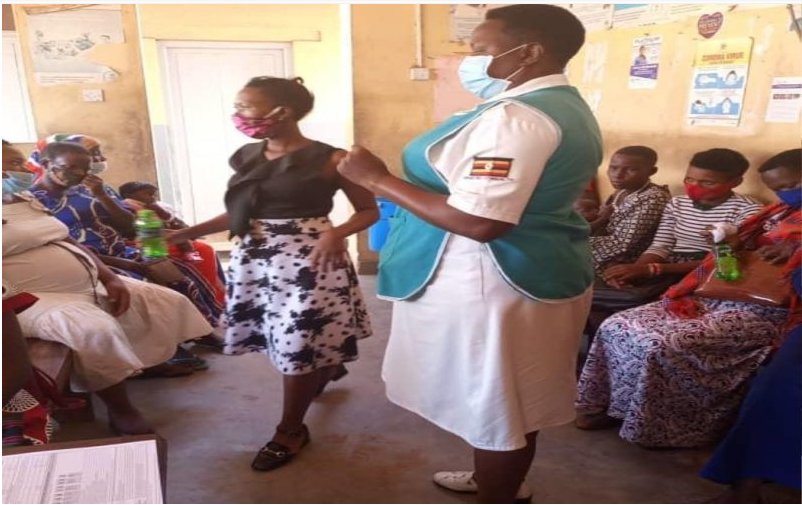
Youth Alive Uganda's success lies in implementing programmes that remain sustainable after funding ends. We work to increase access to youth-friendly Local Government services by conducting gap analysis on policy implementation, building capacity of service providers, empowering youth to demand services, and running focused community advocacy campaigns — while strengthening safety and parent-child relationships in homes and communities.
Recognized Center of Excellence
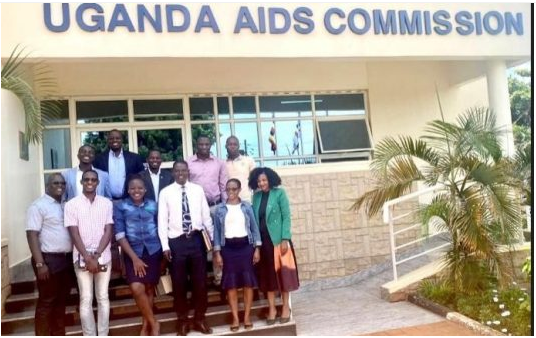
Youth Alive Uganda is accredited by recognized institutions, including a Centre Number for vocational skilling from the Directorate of Industrial Training (DIT). We have a fully established training department and have built strategic partnerships with key government ministries, agencies, and networks such as the World Health Organisation's Implementing Best Practice Network (IBP Network) and the Sexual Reproductive Health and Rights Alliance (SRHR Alliance). Our resource mobilization department documents and disseminates tested best practices in youth work.
Improved Sexual and Reproductive Health of Children
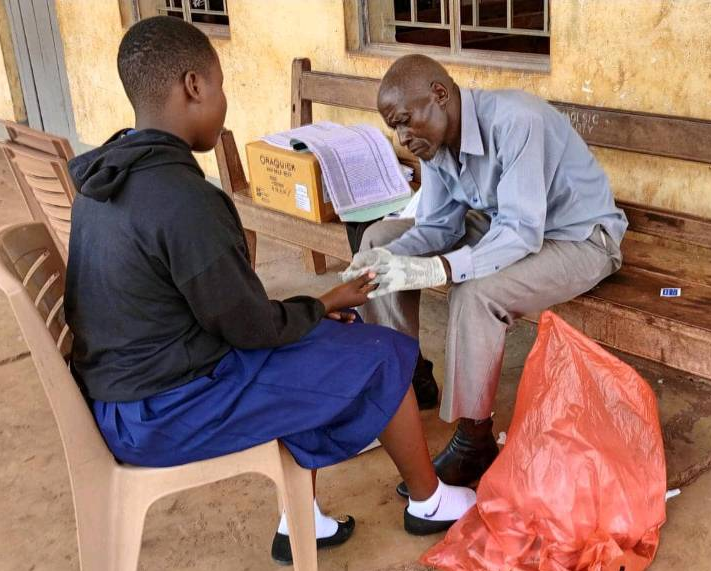
We aim to increase access to Sexual Reproductive Health information and services for youth through age-appropriate, integrated and youth-responsive SRH information and services — including linkages to psychosocial support, and facilitating enrolment and retention of HIV-positive children, youth and their caregivers into HIV care through to viral load suppression. We work to shift attitudes and norms at the personal and community level to improve uptake of health services.